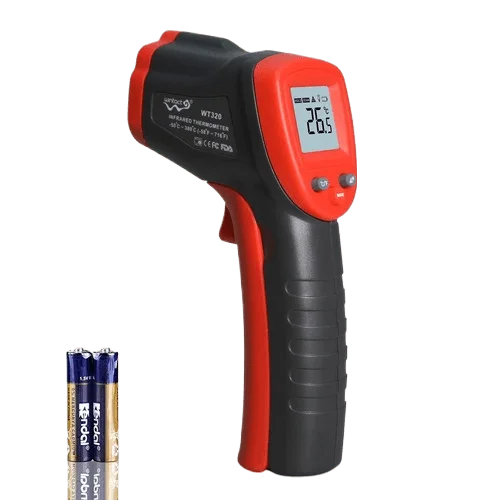
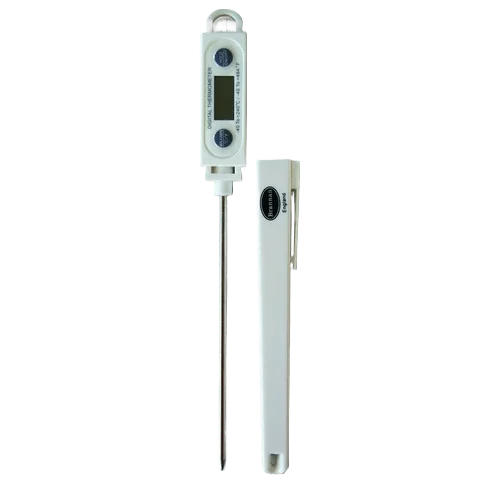
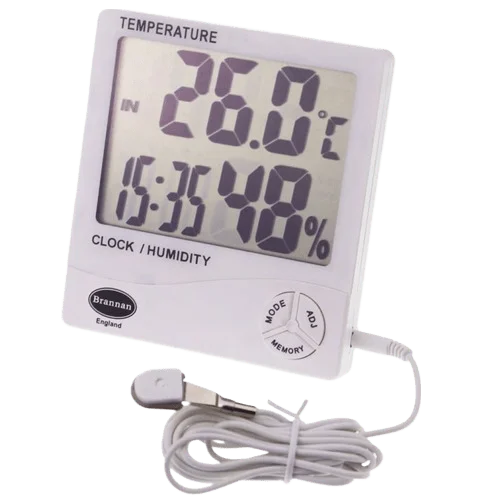
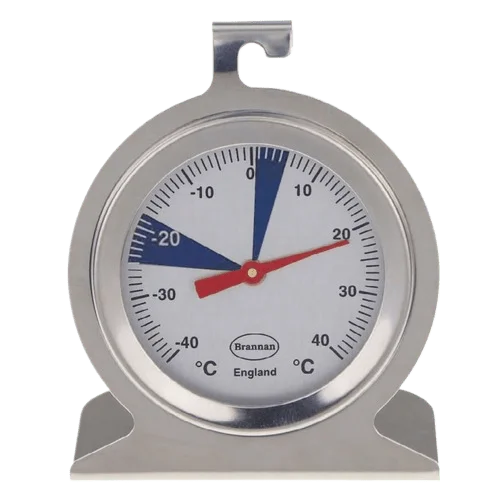
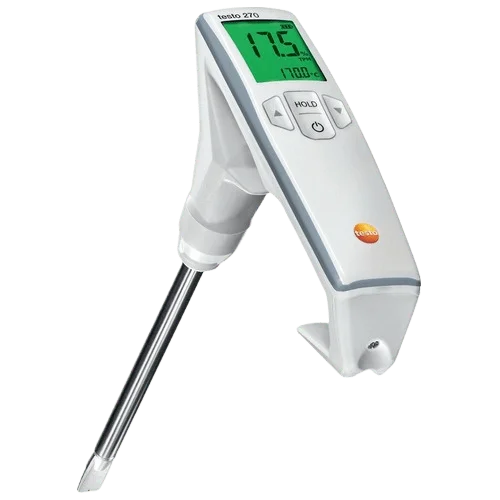
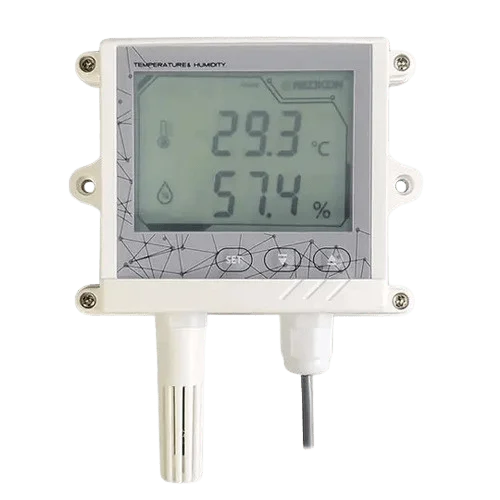
Precise measurement for temperature is vital across modern industries, playing a key role in advanced process control, safety, product quality, and regulatory compliance. From pharmaceuticals and food & beverage to electronics manufacturing, accurate temperature monitoring helps maintain product integrity, drive sustainability, and boost operational efficiency.
As a trusted Industrial Equipment Supplier CalCon provides end-to-end temperature monitoring systems, designed to integrate effortlessly into smart plant instrumentation environments. Our product lineup includes Temperature Gauges, Thermometers, Transmitters, and Data Loggers—all engineered for high precision and long-lasting performance.
Whether you’re optimizing thermal processes or embracing digital transformation, CalCon delivers trusted tools for reliable measurement for temperature. With our intelligent solutions, we help industries achieve real-time control, better energy management, and smarter decision-making.
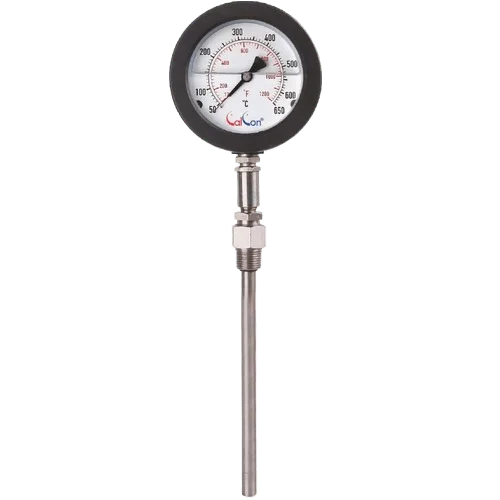
Temperature gauges are used to measure and monitor temperature in industrial processes, machinery, pipelines, tanks, and HVAC systems. Explore CalCon’s range of industrial temperature instruments.
What is the difference between a bimetal thermometer and a digital temperature gauge?
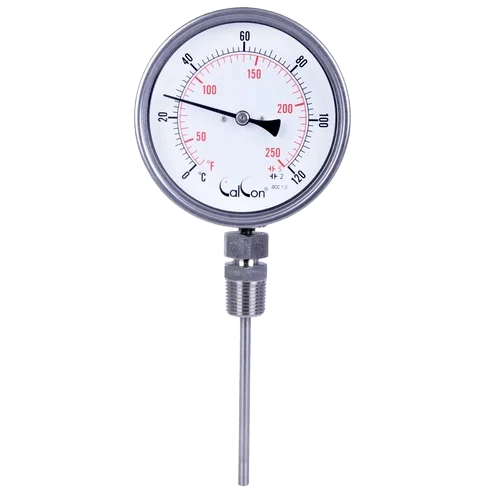
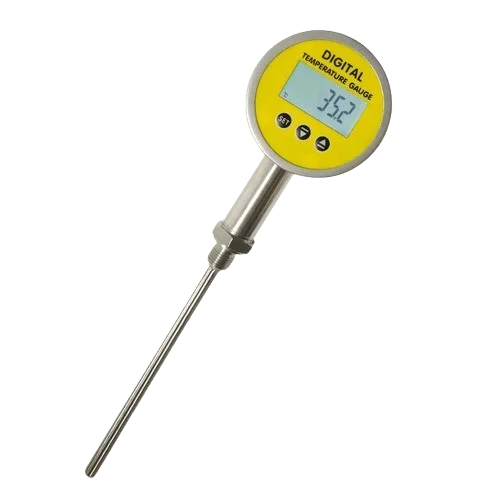
Bimetal thermometers provide mechanical temperature indication, while digital temperature gauges offer higher accuracy and digital display capabilities.
When should a thermowell be used?
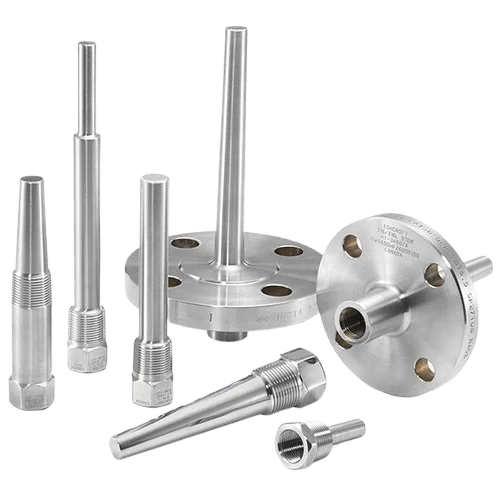
Thermowells protect temperature sensors from pressure, corrosion, and process media while allowing sensor replacement without shutting down the process.
Which temperature sensor is best for plastic processing industries?
Thermocouples and RTD sensors are commonly used in extrusion, injection molding, and plastic manufacturing applications.
What industries use temperature transmitters?
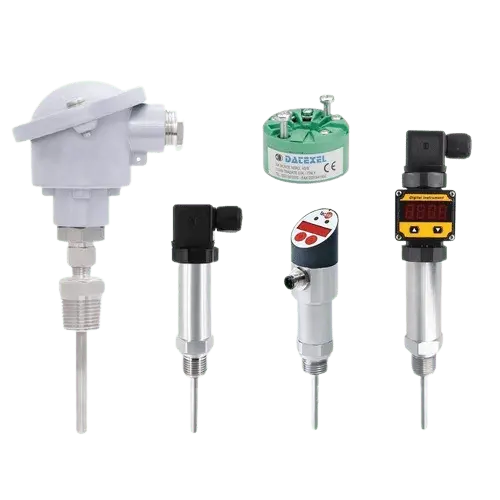
Temperature transmitters are widely used in oil & gas, food processing, pharmaceuticals, chemical plants, water treatment, and manufacturing.
How do I choose the right temperature measuring instrument?
Selection depends on temperature range, accuracy requirements, response time, installation method, and process conditions.